
What is CBAM?
Carbon Border Adjustment Mechanisms (CBAM) put a carbon price on certain goods imported into the EU and UK. This helps ensure that imported goods face similar carbon costs to goods produced locally, creating fairer competition and reducing the risk of companies moving production to countries with less strict climate rules.
Understanding CBAM
In practice, CBAM affects companies importing certain goods into the EU and UK. Importers must understand which obligations apply, collect emissions data from their suppliers, assess that data against the relevant EU or UK requirements, and maintain the information needed for reporting and compliance. This makes CBAM more than a reporting obligation: it introduces a new compliance process that reaches across supply chains, procurement, data quality, and internal controls. For many companies, building the knowledge and processes to manage these requirements can be challenging. That is where Dubrink can help.
CBAM is complex by design because it needs to account for the many different ways goods can be produced around the world. Production routes, raw materials, energy sources, emissions profiles, and production methods can vary significantly from one supplier to another. The mechanisms must also take into account carbon prices already paid in the country of production, so that these costs can be reflected correctly when determining the final CBAM obligation. This level of detail is necessary to create a system that can be applied fairly across very different products, producers, and countries.
CBAM is already in effect in the EU, while the United Kingdom plans to introduce its own mechanism from 2027. Similar approaches are also emerging in other markets, with countries such as Türkiye exploring comparable measures. For internationally active companies, CBAM is therefore not simply an EU compliance requirement. It represents a broader shift towards carbon-based trade measures that companies will increasingly need to understand and manage across multiple markets.
Learn more about the different CBAMs we support:


Who is impacted by CBAM?
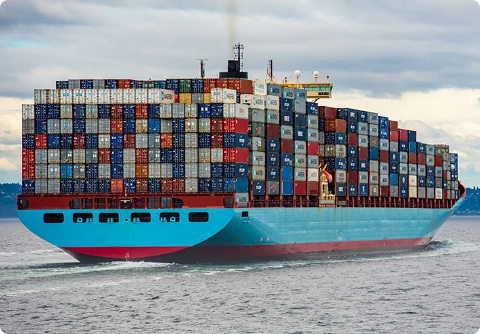
EU & UK Importers
- Companies importing CBAM goods into the EU or UK market
- Responsible for meeting applicable CBAM reporting and financial obligations
- Must obtain and maintain the emissions data needed to determine their CBAM liability




See Dubrink in action in a tailored demo
In 30 minutes, discover how Dubrink simplifies CBAM and PPWR compliance from data collection to reporting.
- Simplify CBAM and PPWR data collection
- Automate CBAM and PPWR reporting workflows
- Reduce compliance risk and save time
- Keep ahead with regulatory updates


















Want Dubrink’s CBAM updates to show up more often in Google?
Add Dubrink as a preferred source on Google